Arsenal 2025–26 Analysis: Why Performances Look Different and Why That May Be a Strength
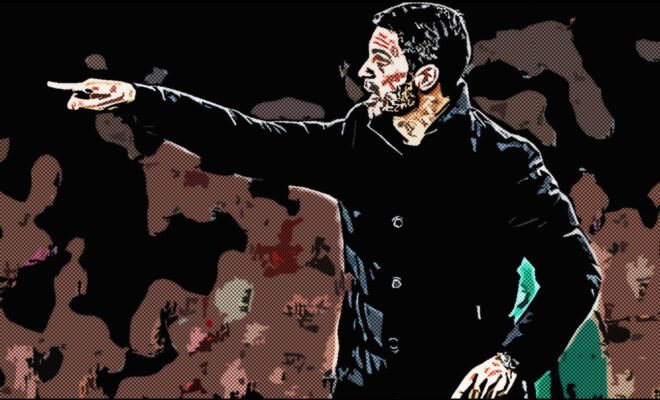
Arsenal’s 2025–26 season has produced an odd split in perception. Some supporters see a side that feels less overwhelming than before. Matches are tighter. Scorelines are narrower. Moments of attacking fluency arrive in shorter bursts. The surface impression is of a team that has slowed.
Across Europe, the view is different.
Coaches, analysts, and opponents increasingly treat Arsenal as a reference point for how elite football is evolving. Control is no longer judged by possession totals or the volume of chances alone. At the highest level, matches are decided across four phases: organised attack, attacking transition, defensive transition, and structured defence. The teams that dominate those moments dictate rhythm, space, and time.
This is where Arsenal stand out.
Under Mikel Arteta, Arsenal have built a side designed to win the seconds after possession changes. Pressure arrives immediately after loss. Defensive shape forms before attacks can develop. Opponents are forced into rushed decisions and low-value territory long before they reach the penalty area.
What can feel cautious or uncomfortable from the stands often looks, from a tactical distance, like a team operating at the leading edge of modern control.
How Elite Football Has Changed
Elite matches are no longer shaped by who holds the ball the longest. They are shaped by what happens immediately after the ball is lost or recovered.
Supporters can see this without looking at numbers. Opponents receive passes with closed body shape. Midfielders hesitate before turning. Fullbacks release the ball early because forward options are blocked. Counterattacks dissolve before they form.
This is the new currency of dominance. Reducing time. Reducing space. Reducing options.
Pressing, compact rest defence, and transition preparation have become the decisive tools. Teams that fail to control these moments can dominate possession and still lose control of matches.
Arsenal’s season fits this model because their structure anticipates transitions rather than reacts to them.
Arsenal’s Four-Phase Control
Arsenal remain a strong possession side in organised attack. Their field tilt keeps opponents pinned deep. Territory is still a weapon. The difference lies in how attacks are constructed with defensive intent already embedded.
Fullbacks and midfielders occupy positions that allow immediate pressure after loss. Attacking shapes are balanced rather than stretched. This reduces the distance players must cover when possession changes.
Attacking transition follows naturally. Many Arsenal recoveries occur in advanced zones. The first action after regain often destabilises opponents even when it does not lead to an immediate shot. The value lies in forcing defenders to reset while under pressure.
Defensive transition is the defining phase of this team.
When Arsenal lose the ball, recovery pressure arrives almost instantly. Multiple players converge. Passing lanes are closed before they are fully visible. Ball carriers are forced sideways or backward. Long balls are rushed rather than selected.
This behavior explains why opponents struggle to generate clean counters. Arsenal’s pressing intensity reflects it, yet the more telling detail is opponent discomfort. Buildup is interrupted early. Progression stalls. Attacks end before structure forms.
Structured defence completes the cycle. Arsenal defend with compact vertical spacing and aggressive line control. Central zones remain protected. Shots conceded tend to come from wide or low-value areas. Over two seasons, goals conceded and expected goals against align with title-level suppression.
Compared to earlier Arteta teams, this version trades attacking spontaneity for structural certainty. Pressing remains intense, yet it is more coordinated. The chaos that once followed a broken press appears far less often.
Rhythm, Space, and Pressing
Arsenal’s matches follow a repeatable rhythm. Long spells of territorial pressure are punctuated by short, violent moments of transition control.
Pressing is not constant chasing. It is preparation. Traps are set in advance. Wide areas funnel opponents toward pressure. Midfielders step forward knowing defenders hold aggressive positions behind them.
When an opponent receives the ball facing their own goal, the next pass is already limited. The obvious forward option is blocked. The square ball invites pressure. The long ball arrives under duress.
This sequence explains Arsenal’s low shot volumes conceded more clearly than any metric. Opponents rarely reach the box with balance. Deep completions remain scarce because access is denied earlier.
Champions League matches reflect the same pattern. Arsenal disrupt a high percentage of opponent buildup attempts through structured pressure. The behavior repeats across competitions because it is systemic.
Comparison to Elite European Teams
Arsenal now sit among Europe’s elite in how they solve the control problem.
Manchester City dominate through ball retention and positional occupation. Arsenal dominate through pressure and denial after loss. Bayern Munich counterpress aggressively but accept higher shot value at times. Arsenal reduce shot value by limiting access. Inter defend deeper with extreme compactness. Arsenal defend higher with similar central protection.
Liverpool’s recent title side combined pressing with improved shot suppression. Arsenal’s defensive profile over the last two seasons mirrors that balance.
These are different solutions to the same challenge. Arsenal’s solution prioritises transition control and rhythm.
Why This Can Feel Uncomfortable
This model carries trade-offs.
Matches feel tighter because Arsenal accept fewer open exchanges. Goals can take longer to arrive because attacks are built with caution. When chances are missed, the absence of chaos makes the game feel static.
The tension supporters feel comes from patience rather than fragility. A single lapse stands out because so little else is allowed.
This approach exposes finishing variance more than structural weakness. Over a season, the consistency of denial outweighs the lack of spectacle.
Supporter perception plays a quiet role in how this style is judged. Many fans associate dominance with waves of chances, fast tempo, and visible pressure around the penalty area. Arsenal’s control often looks different. Long passages unfold in midfield. Opponents circulate the ball without progressing.
The match can feel tight even when danger is minimal. That tension can create the impression that Arsenal are struggling or that the game sits on a knife edge, even when the underlying structure remains stable. The feeling of risk comes from the scoreline staying close, not from the balance of control on the pitch.
There is also a historical memory that shapes how Arsenal matches are watched. Supporters have seen teams in the past that played attractive football, controlled long stretches of matches, and still dropped points through moments of disorder or poor defensive structure.
Nearly two decades without a league title has reinforced the instinct to look for warning signs, even when performances are strong. When a game remains 1–0 deep into the second half, the reaction in the stands often reflects those past experiences. The caution comes from memory rather than from what the current side is allowing on the pitch.
Conclusion
Arsenal’s 2025–26 season reflects a clear understanding of how modern elite football is decided. Control comes from winning transitions, compressing space, and dictating rhythm rather than dominating possession alone.
Across all four phases, Arsenal reduce opponent freedom until attacks fail to develop. The evidence lies in patterns that repeat rather than moments that impress.
This is a team built to deny opponents the conditions required to play. The results follow from that reality.

Leave a reply
You must be logged in to post a comment.


